
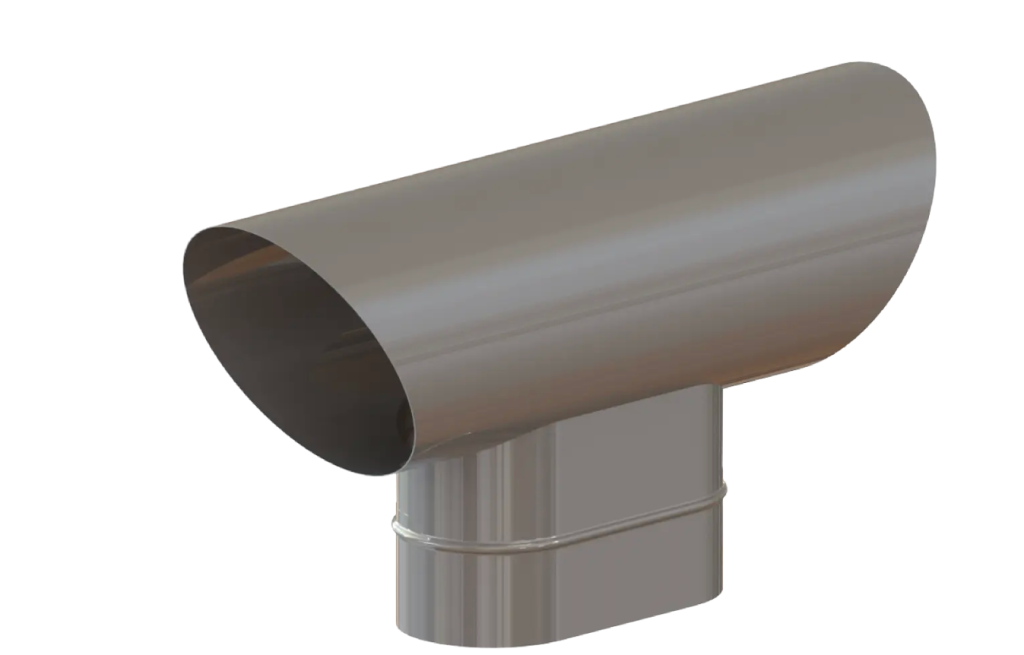
You want a chimney that fits your home, fuel type, and budget without guesswork. Choose a chimney system that matches your appliance and installation needs — the right choice improves safety, draft, and efficiency. Vilpra offers a wide range of stainless steel systems, liners, and concentric air-flue options that suit stoves, fireplaces, boilers, saunas, and retrofits.
This article breaks down the common chimney types and key design choices so you can compare materials, wall types, and fittings. You will learn what components matter, how installation and application affect performance, and how to pick the best system for your situation.
Table of Contents
Understanding the Different Types of Chimneys
You need to know how chimney materials, installation, and maintenance affect safety, cost, and performance. The right choice depends on your fuel type, house structure, and long-term maintenance plans.
See also:
Masonry Chimneys and Brick Chimneys
Masonry chimneys use brick, stone, or concrete blocks with a clay or ceramic flue liner. They work well with wood-burning fireplaces and solid-fuel stoves because the heavy mass stores heat and resists high temperatures. If you have an older home, a brick chimney may match the style and add value.
Look for cracks in mortar, spalled bricks, or a damaged flue liner; these create leaks and carbon-monoxide risks. Masonry chimneys need periodic tuckpointing, liner repair, and chimney cap replacement. Installation and repair costs can be higher than metal chimneys, but masonry lasts decades when maintained.
Choose masonry if you want a traditional look, thick thermal mass, and you can commit to upkeep. If you plan gas or high-efficiency appliances, check whether relining with stainless steel or installing a prefabricated flue is needed.
Stainless Steel and Metal Chimneys
Stainless steel chimneys are common for gas, oil, and pellet appliances. They include single-wall, double-wall, and insulated models. Metal chimneys install faster and cost less than masonry. They resist corrosion when you pick the correct grade of stainless steel for your fuel and vent temperatures.
Double-wall and insulated metal chimneys keep flue gases hotter and reduce creosote buildup for wood burning. For gas or condensing boilers, choose specialized stainless steel liners or concentric systems that handle condensate and maintain draft. Metal chimneys require fewer structural changes and are lighter on the roof.
Inspect metal systems for corrosion, loose fasteners, and damaged seals. Proper support, clearances to combustibles, and OEM components matter. Use stainless steel for retrofits or when you need a compact, efficient chimney system.
Prefabricated and Insulated Chimneys
Prefabricated chimneys (factory-built) combine a metal flue with insulation and an outer casing. They come rated for specific appliances and are tested as a system. You can get insulated versions that reduce creosote, keep flue temperatures steady, and improve draft.
These chimneys suit new builds, mobile homes, and retrofit projects where masonry is impractical. They require correct clearances and certified installation. Prefab systems often include a labeled pipe, roof flashing, and a cap, simplifying code compliance.
Weigh the quick install and lower labor cost against manufacturer limits on appliance compatibility. If you burn wood, pick an insulated, double- or triple-wall option. For gas or pellet stoves, choose a system rated for the appliance and local building codes.
Essential Components and Design Considerations
You need a chimney system that vents safely, matches your appliance, and fits your building. Key choices include the liner type, insulation level, clearances, and how the ducting routes through walls and roof.
Chimney Liners and Ducts
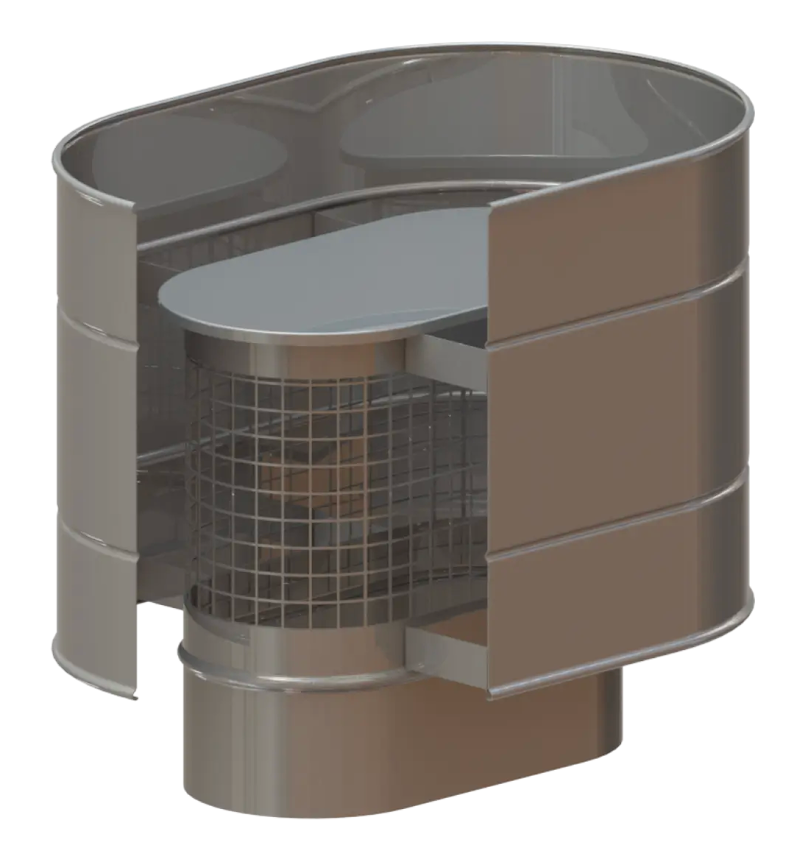
Choose a chimney liner sized to match the appliance flue collar and the fuel type. Stainless steel liners resist corrosion from gas and wood; clay liners suit traditional masonry but require proper sizing. A liner that’s too large can cool gases and reduce draft; too small can cause soot buildup and backdrafts.
For through-the-wall or prefabricated chimneys, use Class A insulated chimney ducts for the vertical run. Keep connector stove pipe short and straight when possible. Install cleanouts at the base of ducts for easy ash and creosote removal. Seal liner joints and use high-temperature approved sealant where the liner meets the appliance.
Insulation and Safety Features
Insulation keeps flue gases hot to maintain draft and reduce creosote. Insulated chimney sections (Class A) include a double-wall or triple-wall design with mineral wool or ceramic insulation. Exterior chimneys need better insulation or a chase to protect against wind chill.
Install required clearances to combustibles and firestop spacers at floor and ceiling penetrations. Use flashing, storm collars, and a chimney cap to prevent water entry. Add a spark arrestor and animal screen if local code or exposure risks require it. Always follow manufacturer specs and local codes for supports and brackets.
Chimney Design for Fuel and Appliance Type
Match chimney design to the fuel: wood, pellet, oil, or gas each need different venting details. Wood-burning stoves require larger diameter liners and more frequent cleanouts because of creosote. Gas appliances often work with smaller, stainless steel liners and may need direct venting or balanced flues.
Set the chimney height to provide at least a 2–3 foot rise above the roof and maintain the 10-foot/2-foot rule (chimney tip 3 feet above the roof and 2 feet higher than any roof ridge within 10 feet) to avoid downdrafts. Size the duct cross-section to match the appliance’s draft requirements and minimize elbows; each elbow reduces draft and increases soot buildup risk.
Chimney Installation and Applications
You will learn how to install chimneys for different heat sources, what makes sauna chimneys special, and how to update or fit custom systems. Focus on correct pipe type, clearances, and seals to keep the system safe and efficient.
Installation for Fireplaces and Stoves
You must match chimney diameter and material to your appliance. Use a stainless steel chimney liner or double-wall insulated pipe sized to the stove or fireplace outlet. Incorrect diameter or too-long horizontal runs reduce draft and raise creosote risk.
Follow these steps:
- Verify appliance flue collar size and choose chimney sections that fit snugly.
- Maintain manufacturer clearance to combustibles and use proper roof flashing or wall thimbles.
- Install a cap and spark arrestor to keep out rain and birds.
- Include a cleanout section near the base for ash and creosote removal.
Have a qualified installer check draft, combustion air supply, and local codes. Pressure tests or smoke tests can confirm correct flow.
Specialized Systems for Sauna Stoves
Sauna stoves need chimneys rated for high soot temperatures and rapid heating cycles. Choose a sauna-specific double-wall system (for example DW50) or a sootfire-resistant stainless steel chimney designed for wood-fired sauna stoves.
Key points:
- Use components designated for sauna use and for burning dry wood (moisture ≤ 20%).
- Keep short vertical runs between stove and first horizontal, and avoid long bends.
- Ensure external supports, roof penetrations, and insulation meet sauna chimney specs.
- Fit heat shields where the chimney passes near combustible walls or ceilings.
Follow the sauna stove manufacturer’s manual for clearances and maintenance intervals. Regular inspection for soot and proper sealing is critical.
Retrofitting and Custom Solutions
When relining or upgrading an old chimney, stainless steel liners give a direct, durable path for combustion gases. You can retrofit with flexible or rigid liners depending on chimney shape and access.
Steps to retrofit:
- Inspect the existing flue for cracks and obstructions first.
- Choose liner type: flexible for tortuous flues, rigid stainless for straight runs and higher temps.
- Ensure the liner outlet ties into an approved top plate, cap, and flashing.
- Adjust top terminations for correct draft and to prevent downdrafts.
Custom systems often need adapters, offsets, or multi-wall sections to meet appliance needs. Work with a certified installer to size the system, confirm seals, and comply with local building codes.
Selecting the Best Chimney for Your Needs
Choose a chimney that matches your heating appliance, budget, and home layout. Think about material, upkeep needs, and how the chimney will look on your house.
Factors in Choosing Chimney Material
Pick a material based on fuel type and temperature. For wood-burning stoves and fireplaces, Class A insulated metal chimneys handle high heat and allow safer clearances through ceilings and roofs. For gas appliances, B-vent (double-walled) metal pipes or sealed direct-vent systems work well because they manage lower-temperature exhaust and often improve efficiency.
Masonry or brick chimneys add durability and style but need a proper flue liner for safety. If you already have a brick chimney, check the liner: clay or metal liners are common. Consider costs: metal systems install faster and usually cost less; masonry lasts long but may need more labor and maintenance.
Maintenance and Longevity
Maintenance affects safety and lifespan more than material alone. Metal chimney systems resist cracking and often need less structural repair, but you must inspect seams, flashing, and insulation annually. Masonry chimneys resist weather but can suffer from mortar decay, spalling, and leaking. Inspect brick, crown, and mortar every few years.
Clean chimneys on a schedule that fits your fuel and use. Wood users should remove creosote more often. Gas systems need fewer cleanings but still require annual checks for venting and seals. Plan for occasional repairs like relining, replacing flashing, or fixing chimney caps.
Integrating with Home Architecture
Match chimney type to your home’s structure and style. Brick or stone chimneys suit traditional homes and can be built as visible masonry stacks. Metal chimneys work well with modern designs and are simpler to install on roofs or through walls when space is limited.
Consider roof slope, attic space, and clearances when planning the chimney path. A Class A metal system can pass through combustible assemblies where masonry cannot without added protection. If chimney appearance matters, you can sheath a metal chimney in brick veneer to match your home while keeping installation benefits.
