
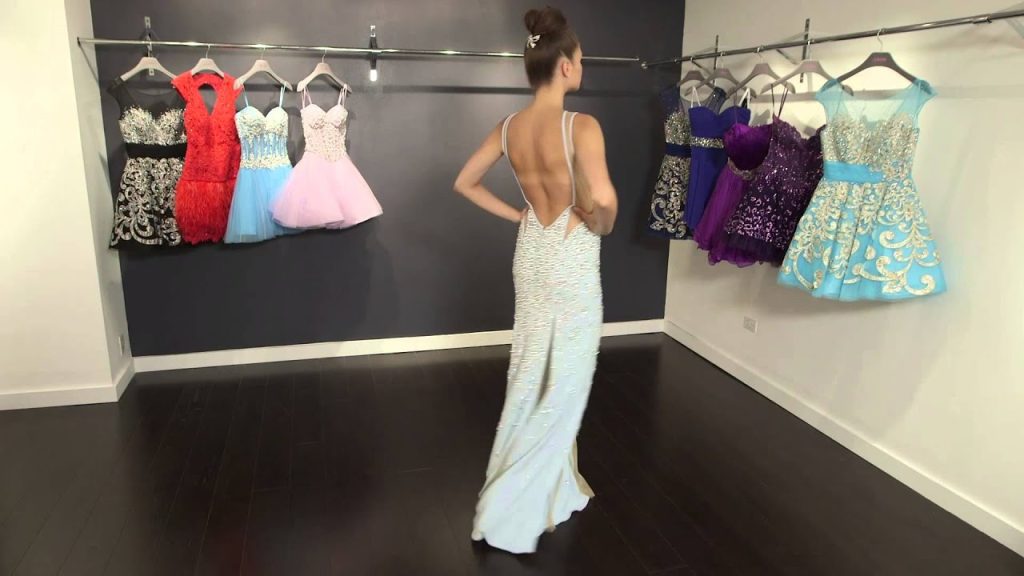
Fashion trends continue to evolve every season, but occasionwear today feels noticeably more thoughtful than before. Women are no longer choosing outfits purely for dramatic visual impact or short-term trends. Instead, there is a growing preference for clothing that feels elegant, comfortable, versatile, and naturally connected to personal style.
Celebration dressing has moved away from garments designed only for photographs or one-time appearances. Women now want outfits that transition easily across weddings, festive gatherings, cocktail evenings, destination celebrations, and formal dinners without feeling repetitive. This has changed the way occasionwear is viewed entirely.
The conversation around special occasion wear has become more focused on craftsmanship, tailoring, fabric quality, and wearability rather than excessive embellishment alone. Women are paying closer attention to how garments move, how fabrics feel during long events, and whether an outfit still feels timeless beyond a single trend cycle.
See also:
Fashion choices today feel more intentional because women are building wardrobes around longevity and individuality instead of temporary online aesthetics.
Table of Contents
Contemporary Occasionwear Through Agaati’s Design Approach
Modern occasion dressing works best when sophistication and comfort exist together naturally. Clothing may appear visually striking online, but real celebrations involve movement, long hours, social interaction, photography, and practicality. Garments that ignore these realities rarely remain enjoyable beyond curated images.
This balance is reflected strongly through Agaati and its approach to contemporary occasionwear. The brand focuses on elevated fabrics, refined tailoring, modern silhouettes, and detailing that feels luxurious without becoming overwhelming.
Stylists working directly with women during fittings often notice that confidence changes completely once garments feel comfortable and effortless to wear. Many clients initially arrive influenced by heavily trend-driven fashion references but gradually gravitate toward cleaner construction, softer drapes, and more balanced detailing once they begin trying outfits in person.
Fashion rooted in thoughtful tailoring naturally feels more timeless because it supports the wearer rather than overpowering them.
Cleaner Silhouettes Are Replacing Overstyled Fashion
Occasionwear was once dominated by dramatic embellishment, oversized silhouettes, reflective embroidery, and garments created primarily for visual attention. While these styles continue to exist, many women are now choosing clothing that feels lighter, more refined, and easier to wear across different settings.
Luxury fashion no longer depends entirely on excess. Instead, sophistication often comes through proportion, fabric movement, construction quality, and understated detailing.
Fashion professionals regularly observe that the outfits leaving the strongest impression at celebrations are rarely the most visually loud. A beautifully tailored silhouette in a rich fabric often feels more elegant than heavily crowded embellishment.
Soft layering, structured sleeves, tonal embroidery, monochromatic styling, and fluid draping create impact without relying on overwhelming decoration. These details bring longevity to occasionwear because they are not tied to short-lived trends.
Fabric Choice Influences Comfort, Movement, and Elegance
Fabric has become one of the most important considerations in premium occasionwear. Women are increasingly aware that textile quality affects not only appearance but also comfort, movement, and how naturally a garment performs during extended wear.
A visually beautiful outfit quickly loses appeal if the fabric feels restrictive or uncomfortable after a few hours. Weddings and celebrations involve constant movement, social interaction, dining, dancing, and photography, making comfort just as important as visual elegance.
For example, organza creates structure and volume without adding unnecessary heaviness. Silk blends allow fluid movement and softness that work beautifully for contemporary occasion dressing. Satin reflects lighting differently depending on its finish, while textured weaves naturally add richness without relying heavily on embellishment.
Many women only fully understand these differences during fittings. Once premium textiles are experienced firsthand, the contrast between thoughtfully sourced fabrics and mass-produced materials becomes immediately noticeable.
This attention to fabric quality is one of the reasons refined occasionwear feels more luxurious during real use rather than only in photographs.
Occasionwear Is Becoming More Versatile
Another noticeable shift within fashion is the growing preference for versatility. Women no longer want garments that feel limited to one ceremony or celebration. Instead, they are investing in clothing that can transition naturally across multiple events through different styling choices.
Structured co-ord sets, layered separates, fluid drapes, statement jackets, softer embellishment, and modular styling have become increasingly popular because they allow multiple looks without requiring entirely new wardrobes.
Stylists regularly hear clients ask practical questions during consultations. They want to know whether a garment can be styled differently later, whether separates can work independently, or whether the silhouette will continue to feel elegant years from now.
This more intentional approach to shopping has increased appreciation for garments rooted in craftsmanship and versatility rather than short-term trend cycles.
Tailoring Creates the Difference Between Good and Exceptional Fashion
Fit remains one of the most important aspects of occasionwear, yet it is often overlooked during trend-focused shopping conversations. Regardless of embellishment or fabric quality, poor tailoring immediately affects confidence, comfort, and overall appearance.
Experienced designers understand how significantly small adjustments influence movement and silhouette. Sleeve balance, shoulder placement, drape control, waist positioning, and garment length all contribute to how naturally clothing feels during wear.
This becomes especially important during Indian celebrations where garments are worn across long ceremonies and multiple functions.
Women today are far more aware of these details because they want clothing that supports movement instead of restricting it. A well-tailored outfit allows the wearer’s personality to stand out naturally without the garment feeling overpowering or uncomfortable.
Fashion houses that prioritise tailoring consistently create stronger long-term customer satisfaction because people remember how confidently they moved throughout an event.
Understated Fashion Feels More Luxurious Today
Luxury fashion itself has become quieter and more refined over time. Instead of visibly excessive styling, many women now appreciate elegance expressed through craftsmanship, texture, fabric richness, and thoughtful construction.
Subtle threadwork, tonal embroidery, layered fabrics, contemporary cuts, hand-finished details, and balanced colour palettes often create a more sophisticated impression than heavily embellished garments designed purely for attention.
Fashion consultants frequently observe that understated outfits photograph more beautifully and remain wearable across different occasions without feeling repetitive.
This preference has also influenced colour choices. Champagne tones, muted metallics, ivory shades, earthy neutrals, monochromatic styling, and deeper jewel colours continue to feel elegant because they are not dependent on temporary trend cycles.
The appeal of understated fashion comes from longevity. Clothing rooted in balance and craftsmanship continues to feel relevant long after fast-moving trends disappear.
Personal Style Is Influencing Fashion More Than Trends
One of the biggest changes in occasion dressing today is the confidence women have in dressing according to personal preference rather than trend pressure. Fashion choices are becoming more individual, which naturally makes occasionwear feel more authentic.
Some women prefer fluid drapes and softer palettes, while others gravitate toward structured tailoring and monochromatic styling. Some appreciate intricate detailing, while others feel more confident in cleaner silhouettes with stronger fabric focus.
This diversity in personal style has made fashion far more interesting than trend repetition ever could.
The most memorable occasion looks are rarely the outfits trying hardest to attract attention. They are the garments that feel effortless, refined, and genuinely connected to the person wearing them.
