
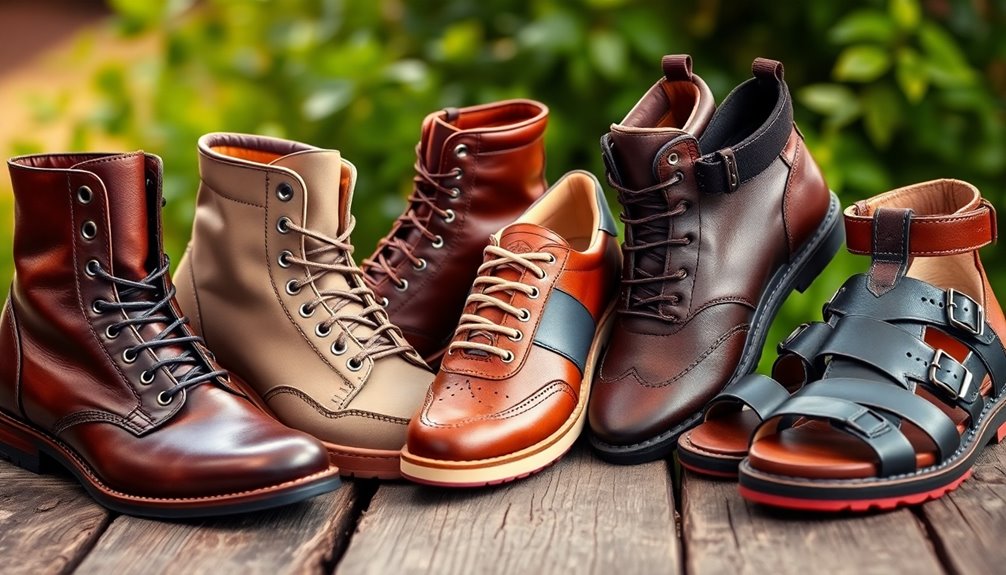
Footwear should be strong. It should not feel heavy. Today customers want shoes that’re light, flexible, comfortable and long-lasting. This is not always easy for footwear brands. If the shoe is made light it may become weak. If the shoe is made strong it may become bulky. So the real challenge is balance. Footwear must have seams without adding extra weight.
A seam is the area where two parts are joined. In shoes seams are very important. They hold material, lining, tongue, straps, heel area, side panels and many other parts. If the seam opens the shoe cannot function. A bulky seam makes the shoe uncomfortable. So manufacturers need ways to improve seam strength without using heavy materials. The good news is that this is possible.
Footwear seams can become stronger without increasing weight. This is becuse shoes face stress every day. They bend when we walk. They twist when we turn. They rub against dust, road, socks and other surfaces. They also carry body weight. This puts pressure on the seams. If the seam is weak the shoe may open near toe, heel, side, strap or upper area. This creates customer complaints.
See also:
For sports shoes, outdoor shoes, sandals, school shoes and work footwear seam strength is more important. These shoes face movement and rough use. Strong seams help the shoe longer. They also improve safety and comfort.. Seam strength should not come by simply adding thick material everywhere. That can make the shoe heavy and stiff.
One way to improve seam strength is to choose lighter threads. Thread selection is one of the ways to improve seam strength. Times manufacturers use thicker thread for strength.. Thicker thread can add bulk. It can also make the seam hard. A better option is to use high-strength thread that gives strength without too much thickness. Quality polyester sewing thread or nylon sewing thread can give strong seam support.
Thread size matters a lot. Thin thread may break under pressure. Thick thread may make the seam bulky. It may also damage materials. So the correct thread size should be selected after testing. A strong thread may sometimes perform better than a very thick thread. The aim is not to use the thread. The aim is to use the thread. Different areas of the shoe may need thread sizes. Stress areas like straps, heel, side panels and toe area may need thread.
Improve stitch type and stitch density. Seam strength is not about thread. Stitch type also matters. Some stitch types hold better than others. Some allow movement. Some are better for materials. Choosing the stitch type can improve strength without adding heavy material. Stitch density also matters. Stitch density means how many stitches are there in a length. Few stitches can make the seam weak. Many stitches can damage the material and create a hard seam.
Balance machine tension. Machine tension has an impact on seam quality. If tension is too tight the seam may become stiff. It can also damage the material. If tension is too loose the stitch may open easily. Both are problems. Correct tension helps the thread sit properly in the seam. It gives hold. It also improves appearance. Footwear materials are different. Leather, synthetic leather, mesh, knit, canvas, foam and lining all need different tension setting.
Reinforce the stress points. Many manufacturers add layers to make footwear strong.. Adding layers everywhere increases weight. A better method is to reinforce the stress points. These are areas where the shoe faces pull and pressure. For example heel area, toe area, lace area, strap joints, side panels, collar and sole joining zones. Of making the full shoe heavy only these areas need extra support.
Use seam design. Seam design can improve strength without adding weight. If the seam is placed in the area it will face more stress. If the seam is placed smartly stress can be reduced. For example seams should avoid bending areas when possible. Curved seams should be planned carefully. Edges should be properly aligned. Overlap should be enough, but not too much. Much overlap adds weight and bulk. Little overlap makes the seam weak.
Match thread with footwear material. Every footwear material behaves differently. Mesh is light and flexible. Leather is strong. Can get marked by needle holes. Synthetic material may be slippery. Foam lining is soft. Canvas can be tough. May fray. Knit uppers stretch more. If the thread does not match the material seam strength goes down. For uppers thread should allow movement. For materials thread should resist rubbing and breakage.
Reduce needle damage. Needle damage can weaken the seam. If the needle is too thick it makes holes. If the needle is dull it can tear the material. If the needle does not match the thread stitching becomes poor. In leather needle holes are permanent. In mesh or knit wrong needle can damage the structure. Using the needle size and type is very important. A correct needle makes holes. It allows the thread to form stitches.
Use bonded threads for sewing. Bonded threads can help improve footwear seam strength. These threads have a surface. They reduce fraying during stitching. They also handle friction better. In footwear stitching can be tough because materials are thick or layered. Bonded thread runs better through the machine. It helps create stitches. It also reduces thread breakage. Skipped stitches.
Test before production. Testing is very important. A seam may look strong after stitching.. It should also perform during use. Footwear should be tested for pulling, bending, rubbing, moisture and repeated movement. A small test can show if the seam is strong enough. It can also show if the thread is suitable. Manufacturers should test the thread, material, needle and machine setting together.
Improve production consistency. Even the best thread cannot help if production is not consistent. Machine setting should be checked. Operators should follow the process. Thread cones should be of quality. Needles should be changed on time. Material feeding should be proper. Quality checking should focus on seam strength and stitch appearance. When production is consistent seams become stronger and more reliable
Improving seam strength without increasing weight gives benefits. The shoe feels lighter. The wearer gets comfort. The product looks cleaner. The seam stays strong, for time. Production waste can reduce. Returns and complaints can also reduce. For sports shoes light weight is very important. For shoes, comfort matters. For footwear clean finish matters. For footwear durability matters. Strong but lightweight seams help in all these areas.
Footwear seam strength can be improved without adding material weight. The key is selection and smart construction. Right thread type and size, proper stitch type, balanced machine tension, good needle choice and better seam design all work together. Reinforcing stress points also helps keep the shoe light. This way footwear brands can make shoes that’re strong and comfortable at the same time.
Testing is really important before we start making a lot of something.
A footwear can be light and comfortable and still lasts a long time if the stitching is right.
Shoes, with seams are really strong shoes.
The type of thread we use is a part of making that happen so picking the right thread is one of the best things we can do to make strong shoes and that is why thread selection is very important to make strong shoes.
